
MEP Solutions for Commercial Kitchens: A Complete Guide
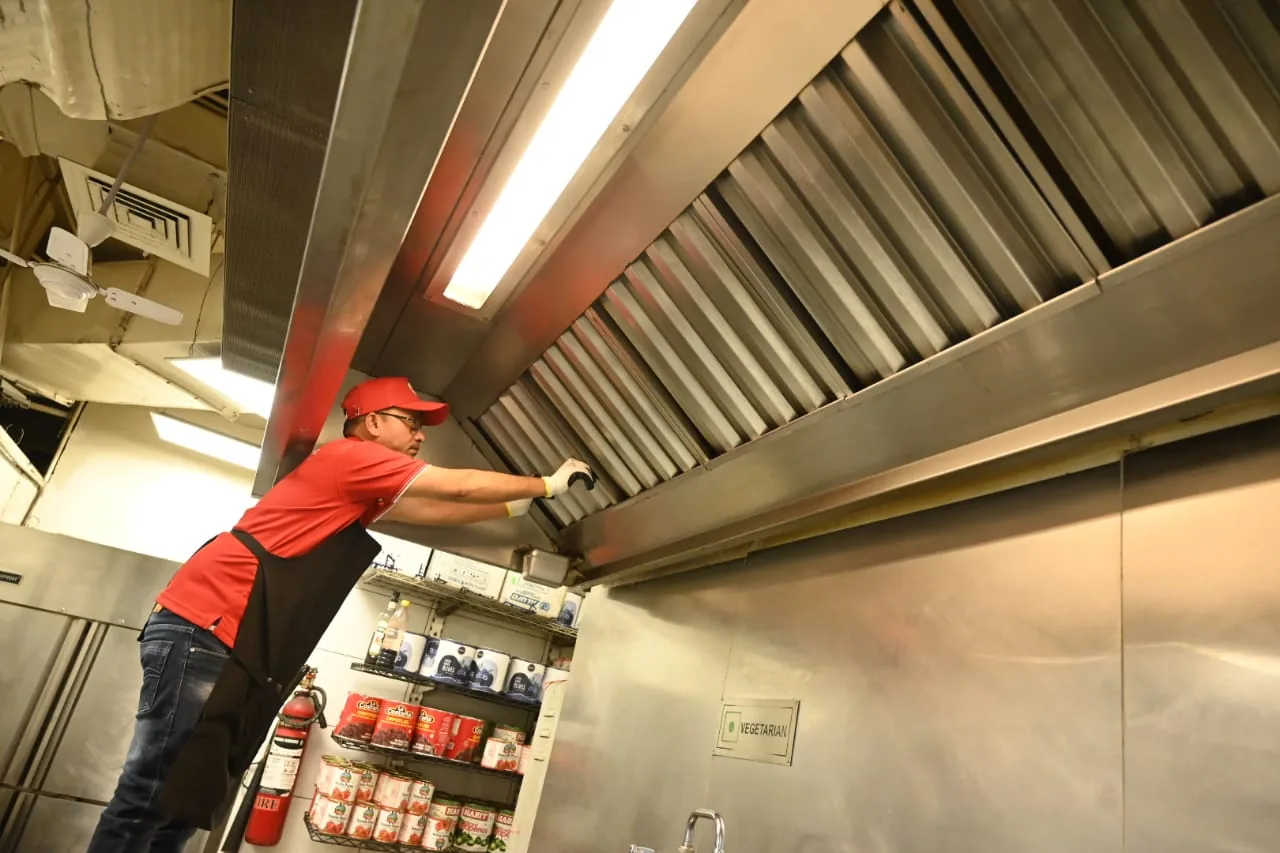
MEP (Mechanical, Electrical and Plumbing) work is the invisible backbone of every commercial kitchen. Customers never see it, but it determines whether your kitchen is safe, efficient and legal. Get MEP right and everything just works; get it wrong and you face breakdowns, failed inspections, safety hazards and costly rework. Here's what every restaurant owner should understand.
What does MEP actually include?
MEP covers three connected systems: mechanical (ventilation and exhaust), electrical (power and lighting) and plumbing (water, drainage and gas). In a commercial kitchen these systems carry heavy loads and must be designed specifically for the job — ordinary wiring or plumbing simply won't cope.
Mechanical: ventilation & exhaust
Commercial kitchens generate huge amounts of heat, smoke, steam and grease. A properly designed mechanical system removes all of it while keeping the kitchen comfortable. Key elements include:
- Exhaust hoods sized correctly for your cooking line.
- Ducting routed to expel air safely outside.
- Make-up air to replace what's extracted — without it, the kitchen turns into a hot, negative-pressure box.
- Grease filters that reduce fire risk and keep ducts clean.
Electrical: load planning & safety
Heavy kitchen equipment draws serious power, and underestimating the load is a recipe for tripped breakers, downtime and fire risk. Good electrical design includes:
- Accurate load calculation for every appliance.
- Dedicated circuits for high-draw equipment.
- Safe, heat-resistant wiring and proper earthing.
- Accessible isolation switches for emergencies.
Plumbing: water & drainage
- Adequate hot and cold water supply to every station.
- Grease traps to keep drains and the public system clear.
- Correct drainage slopes so water never pools on the floor.
- Backflow prevention to protect your water supply.
Gas systems
Gas routing, pressure regulation and leak detection are critical safety items. They must be installed and tested by professionals and checked regularly as part of your maintenance routine. Cutting corners on gas safety is never worth the risk.
How MEP affects your energy bills
MEP isn't just about safety — it's a major driver of running costs. Efficient ventilation, correctly sized electrical systems and well-insulated plumbing all reduce waste. Poorly designed MEP makes equipment work harder and burn more energy, which is why it ties directly into your long-term energy costs.
Why MEP must be planned early
MEP should be designed alongside your kitchen layout, not bolted on afterwards. Retrofitting ventilation or moving a gas line after the kitchen is built is slow, expensive and disruptive. Planning it together saves both money and headaches — and ensures everything passes inspection the first time.
Common MEP mistakes to avoid
Most MEP problems trace back to a handful of avoidable mistakes:
- Under-sized exhaust — leaves the kitchen hot, smoky and uncomfortable.
- No make-up air — creates negative pressure that makes doors hard to open and exhaust ineffective.
- Inadequate electrical load — leads to constant tripping and overheating.
- Poor drainage slope — leaves water pooling on the floor, a slip and hygiene hazard.
- DIY gas work — never worth the risk; always use qualified professionals.
MEP, inspections and compliance
Your MEP systems are central to passing health and fire inspections. Correct ventilation, safe gas installation, proper electrical earthing and adequate drainage are all things inspectors check. Getting MEP designed and documented professionally from the start means you sail through inspections instead of scrambling to fix issues — and it keeps your staff and customers safe.
Frequently asked questions
Can I use a regular electrician and plumber? Commercial kitchen MEP needs specialists who understand kitchen loads, codes and ventilation. General contractors often under-size systems, leading to failures.
When should MEP be planned? At the same time as your layout — before any civil work begins. Early planning prevents costly rework.
Final word
MEP is where safety, efficiency and compliance meet. Done well, it keeps your kitchen comfortable, your equipment running and your inspections smooth. KNI provides professional MEP solutions designed specifically for commercial kitchens — integrated with layout and equipment for a kitchen that works from day one. Get in touch to plan yours.
Need help with your commercial kitchen?
Talk to the KNI team about equipment, AMC, layout design or manpower.
Get in Touch