
How to Choose the Right Commercial Kitchen Equipment for Your Restaurant
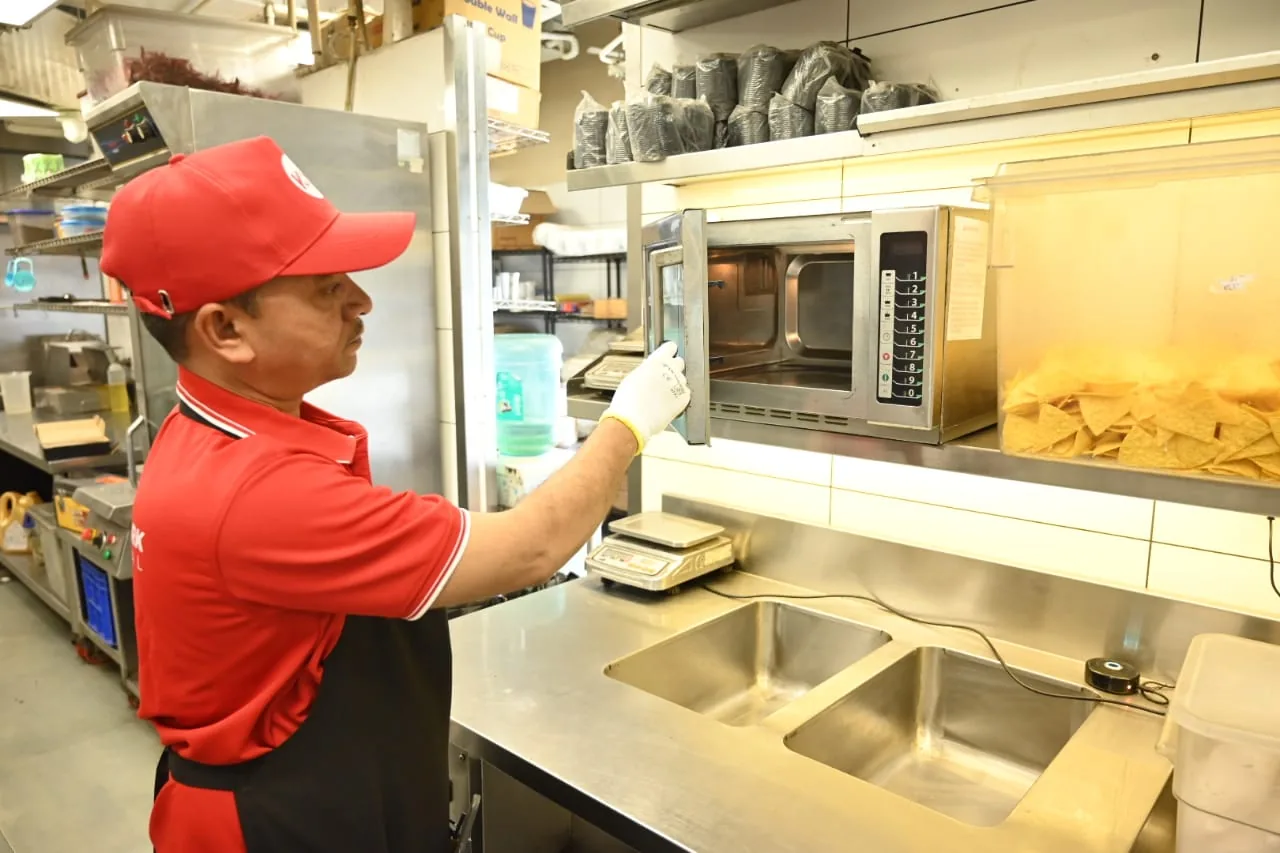
Choosing the right commercial kitchen equipment is one of the most important — and most expensive — decisions a restaurant owner makes. Get it right and your kitchen runs smoothly for years with low running costs. Get it wrong and you face frequent breakdowns, sky-high energy bills, slow service and unhappy customers.
Unlike home appliances, commercial equipment runs for 10–16 hours a day under heavy load. That means durability, efficiency and after-sales support matter far more than the sticker price. This guide walks you through exactly how to choose equipment that fits your menu, your space and your budget — and how to avoid the mistakes that cost owners lakhs of rupees.
1. Start with your menu and volume
Your menu decides your equipment — not the other way around. Before you look at a single brochure, list every dish you'll serve and the cooking method it needs. A high-volume QSR built around fried items needs heavy-duty fryers and griddles, while a fine-dining kitchen may prioritise combi ovens, sous-vide and blast chillers.
Always size equipment for your peak covers, not your daily average. A fryer that copes at 1 PM but chokes during a Friday-night rush will cost you orders and reputation. When in doubt, plan for 20–30% more capacity than today's needs so you have room to grow without re-buying within a year.
2. Prioritise energy efficiency
Energy is a recurring cost that quietly eats into your margins every single month. Look for star-rated refrigeration, induction cooking, well-insulated ovens and equipment with good temperature recovery. A slightly higher upfront cost is almost always recovered within a year or two through lower electricity and gas bills.
Induction cooktops, for example, transfer far more heat to the pan than open flames, which means lower bills and a cooler, more comfortable kitchen for your staff. Over a five-year equipment lifespan, efficiency differences can add up to more than the price of the equipment itself.
3. Check build quality and materials
In humid Indian kitchens, cheap metal corrodes fast. Insist on these basics:
- SS 304 stainless steel construction — it resists rust and is easy to clean.
- Heavy-gauge bodies and sturdy hinges that survive constant use.
- Sealed, food-safe surfaces with no hard-to-clean corners.
- Quality compressors and components in refrigeration units.
Pick up a sample, open the doors, feel the weight. Flimsy, lightweight equipment is a warning sign — it won't survive years of heavy daily use.
4. Don't ignore after-sales support and AMC
Even the best equipment eventually needs service. Before buying, confirm:
- Spare-part availability and typical delivery time.
- Service-engineer response time in your city.
- Warranty length and what's actually covered.
- Whether an Annual Maintenance Contract (AMC) is available.
A brand with poor support will leave your kitchen idle for days when something fails — and downtime in a busy kitchen costs far more than the repair itself. Always weigh support as heavily as the equipment specs.
5. Plan for space, workflow and ventilation
Measure your kitchen and plan the workflow before you buy. Equipment that doesn't fit your kitchen layout creates bottlenecks, safety hazards and frustrated staff. Make sure you've planned adequate exhaust, make-up air and electrical load for every appliance — under-sized ventilation will make the entire kitchen unbearable to work in.
6. New vs used equipment
Used equipment can save money upfront, but it's a gamble. Refrigeration and high-use cooking equipment are risky second-hand — you inherit unknown wear and no warranty. If you do buy used, stick to simple, robust items (work tables, shelving) and have a technician inspect anything mechanical first.
7. Buy through a verified marketplace
Buying piecemeal from random dealers means inconsistent quality, no single point of accountability and a tangle of warranties. Sourcing through a B2B marketplace like KNI (Kitchen Network International) connects you with verified suppliers, transparent pricing and bundled installation and maintenance — dramatically reducing the risk of poor workmanship or faulty products.
Common mistakes to avoid
- Over-buying: Don't fill your kitchen with equipment you'll rarely use.
- Choosing on price alone: The cheapest unit is often the most expensive to run and repair.
- Forgetting ventilation: Under-sized exhaust makes the whole kitchen unbearable.
- Ignoring warranty terms: Read what's actually covered before you sign.
- No maintenance plan: Equipment without servicing fails far sooner.
Frequently asked questions
How long does commercial kitchen equipment last? Well-maintained, good-quality equipment typically lasts 7–12 years. Poor maintenance can cut that in half.
Should I buy branded or local equipment? Branded equipment usually offers better reliability and support, but reputable local manufacturers can be excellent value — the key is verified quality and available service.
What's the single most important factor? Matching equipment to your actual menu and volume, followed closely by reliable after-sales support.
Final word
The right equipment is an investment, not an expense. Match it to your menu, prioritise efficiency and reliable support, plan it around your layout, and avoid the temptation to over-buy. Do that, and your kitchen will reward you with years of smooth, profitable service. Need help choosing? Talk to the KNI team for verified equipment, installation and maintenance under one roof.
Need help with your commercial kitchen?
Talk to the KNI team about equipment, AMC, layout design or manpower.
Get in Touch