
How to Set Up a Cloud Kitchen in India: Cost & Equipment Guide
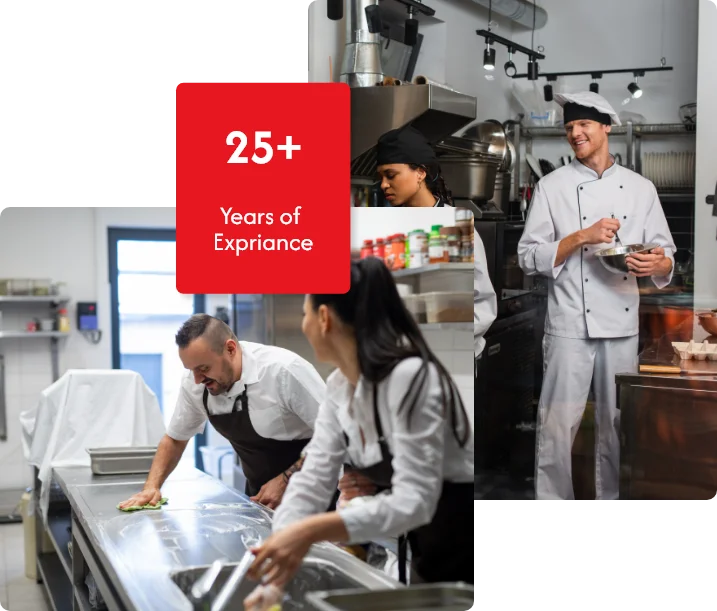
A cloud kitchen (also called a delivery-only or dark kitchen) is one of the fastest, lowest-cost ways to enter India's booming food-delivery market. Without the cost of a dine-in space, prime-location rent or front-of-house staff, you can launch a food brand with far less capital. But "lower cost" doesn't mean "no planning" — here's how to set one up the right way.
Why cloud kitchens are booming in India
Food delivery has exploded across Indian cities, and cloud kitchens are built precisely for this demand. They let you reach thousands of delivery customers without expensive seating, decor or a high-street location. You can also test new concepts cheaply and scale the ones that work — a flexibility traditional restaurants simply don't have.
1. Choose the right location
You don't need a high-street address. What you need is a spot close to your delivery demand, with good rider access, reliable power and water, and rent that fits your budget. Study the delivery heat-maps in your city — being near a cluster of offices or residential demand cuts delivery times and boosts ratings, which directly affects how often platforms recommend you.
2. Get your licences and registrations
Compliance is non-negotiable for delivery platforms. You'll typically need:
- FSSAI registration / licence
- GST registration
- Local municipal / trade licence
- Fire NOC, where applicable
Sort these out early — many delivery platforms won't list you without an FSSAI licence, and delays here can push back your entire launch.
3. Plan equipment for your menu
Keep it lean. Buy the cooking and refrigeration equipment your menu actually needs, plus reliable packaging stations for delivery. Over-buying equipment is the single most common early mistake — it ties up capital you could use on marketing. Use our equipment checklist to make sure you don't miss essentials while staying lean.
4. Design an efficient layout
Cloud kitchens are usually compact, so every square foot counts. A tight, well-planned layout with a clear prep-to-packaging flow keeps order times low — which directly improves your delivery-platform ratings and your customers' experience.
5. Staffing and operations
A small, well-trained team with tight processes beats a large, disorganised one. Plan shifts around your busiest delivery windows (lunch and dinner peaks), and document recipes so quality stays consistent regardless of who's cooking. Need help hiring? See our manpower sourcing guide.
6. Pick your brands and platforms
One big advantage of cloud kitchens is running multiple brands from one kitchen — for example, a biryani brand and a healthy-bowl brand sharing the same equipment. List on the major aggregators for reach, but also build your own ordering channel (website or WhatsApp) to reduce commission costs over time and own your customer relationship.
7. Packaging and quality control
In delivery, packaging is the customer experience. Food must arrive hot, intact and looking good. Invest in quality, leak-proof packaging and run regular checks so the dish that leaves your kitchen is the dish the customer receives. Consistent quality drives repeat orders and better ratings.
What does it cost to set up?
A basic single-brand cloud kitchen in India typically starts from a few lakh rupees, depending heavily on city, kitchen size, equipment quality and the level of civil and MEP work required. The biggest costs are usually equipment and kitchen setup; rent and manpower are lower than a full restaurant. For a detailed breakdown, read our guide on restaurant kitchen setup cost.
Frequently asked questions
Is a cloud kitchen profitable? It can be very profitable thanks to low overheads, but success depends on food quality, efficient operations and smart marketing — not just low rent.
Can I run a cloud kitchen from home? Some very small operations start at home, but for delivery-platform listing and scale you'll need proper licensing and a commercial-grade setup.
Final word
Cloud kitchens reward discipline: the right location, lean equipment, an efficient layout and tight operations. Plan each step properly and you can launch quickly without burning capital. KNI's Launch Pad helps you set up end-to-end — equipment, layout, manpower and licences — under one roof, so you can focus on your food.
Need help with your commercial kitchen?
Talk to the KNI team about equipment, AMC, layout design or manpower.
Get in Touch